🏷️ 10% OFF all orders over Β£100 β€” automatically applied at checkout

⚠️ Research Use Only. All products are strictly for in-vitro laboratory research. Not for human or animal consumption.

Research Peptide Catalog

All compounds are independently verified for purity via HPLC and Mass Spectrometry. For in-vitro research use only.

🏷️ Bulk Orders Welcome

Ordering large quantities for your lab or institution?

We're very open to bulk orders and happy to discuss pricing β€” just get in touch.

βœ‰οΈ Email Us About Bulk Orders

🎨 Vial cap colours shown are for product identification on this website only β€” actual lid colours may vary between batches.

Melanotan II 10mg vial

Melanotan II

MT-2 | Cyclic Lactam Analog of Ξ±-MSH | 10mg

Melanocortin Receptors Pigmentation Pathways Neuroendocrine Signalling Libido & Sexual Function Research

Melanotan II (MT-2) is a synthetic cyclic lactam analog of alpha-melanocyte-stimulating hormone (Ξ±-MSH), widely used in UK peptide research. It binds with high affinity to melanocortin receptors MC1R–MC5R β€” the receptor family central to skin pigmentation studies, energy homeostasis, sexual function signalling, and appetite regulation in laboratory models.

Key research areas: Melanotan II is one of the most studied peptides for melanin synthesis and UV pigmentation pathway research. MC4R binding makes it a key reference compound in libido and sexual arousal signalling studies. MC3R/MC5R interactions are explored in metabolic and energy balance assays. Researchers buying Melanotan II in the UK use it extensively in melanocortin receptor binding studies.

MT-2's cyclic lactam bridge gives it significantly greater receptor binding duration than native Ξ±-MSH β€” making it ideal for sustained receptor activation assays. Our Melanotan II 10mg vials are supplied as lyophilised powder, third-party HPLC tested, and dispatched from the UK with full purity documentation.

Molecular Formula: Cβ‚…β‚€H₆₉N₁₅O₉
Molecular Weight: 1024.18 g/mol
Purity: β‰₯98% (HPLC verified)
CAS Number: 121062-08-6
Form: Lyophilised powder
Storage: βˆ’20Β°C, protect from light
COA on RequestThird-Party TestedIn Stock
10mgΒ£14.99Order Now Full Details

⚠️ For in-vitro research and laboratory use only. Not for human or animal use.

Selank 5mg vial

Selank

Heptapeptide Tuftsin Analog | 5mg

Anxiety & Stress Pathways GABAergic Modulation Cognitive Function Research Immune Regulation

Selank is a synthetic heptapeptide analog of tuftsin, developed for preclinical neurological and immunological research. It is one of the most studied anxiolytic research peptides available in the UK, with extensive preclinical data on its interactions with GABAergic, serotonergic, and dopaminergic systems β€” the core neurotransmitter networks targeted in anxiety and cognitive function research.

Key research areas: Selank 5mg is studied for stress-response pathway modulation without the sedative profiles associated with benzodiazepines in cell model comparisons. Key research applications include BDNF expression studies, working memory and cognitive enhancement pathways, and immune regulation via IL-6 and interferon signalling. A popular choice for nootropic peptide research in UK laboratories.

Selank's engineered resistance to enzymatic degradation extends its active window in cell culture media significantly beyond native tuftsin β€” making it the preferred tool compound for sustained neurological receptor studies. Supplied as 5mg lyophilised powder, UK-dispatched, HPLC verified.

Sequence: Thr-Lys-Pro-Arg-Pro-Gly-Pro
Molecular Formula: C₃₃H₅₇N₁₁O₉
Molecular Weight: 751.87 g/mol
Purity: β‰₯98% (HPLC verified)
CAS Number: 129954-34-3
Form: Lyophilised powder
COA on RequestThird-Party TestedIn Stock

⚠️ For in-vitro research and laboratory use only. Not for human or animal use.

CJC-1295 with DAC 2mg vial

CJC-1295 with DAC

Long-Acting GHRH Analog | Drug Affinity Complex | 2mg

Growth Hormone Secretion Muscle & Recovery Research Fat Metabolism Pathways Anti-Ageing Biology

CJC-1295 with DAC is the long-acting GHRH analog of choice for UK peptide researchers studying growth hormone secretion. The Drug Affinity Complex (DAC) allows covalent binding to serum albumin, extending the active half-life from minutes to days in plasma-based models β€” making it the gold standard GHRH analog for sustained GH stimulation research.

Key research areas: CJC-1295 DAC 2mg is widely used in UK research into GH axis restoration, lean muscle tissue growth signalling, adipose tissue reduction, and cellular repair pathways. Its extended half-life makes it ideal for modelling prolonged GH elevation effects on IGF-1 production, bone density, and metabolic rate regulation β€” key areas of interest for researchers buying CJC-1295 in the UK.

Unlike CJC-1295 without DAC, this compound produces a sustained GH "bleed" rather than a sharp pulse β€” a critical distinction for long-duration in-vitro study designs. Supplied as 2mg lyophilised powder, HPLC verified, dispatched from the UK with full documentation.

Also Known As: DAC:GRF
Molecular Formula: C₁₆₅H₂₆₉N₄₇O₄₆
Molecular Weight: 3647.29 g/mol
Purity: β‰₯98% (HPLC verified)
Form: Lyophilised powder
Storage: βˆ’20Β°C
COA on RequestThird-Party TestedIn Stock

⚠️ For in-vitro research and laboratory use only. Not for human or animal use.

Retatrutide 10mg vial

Retatrutide

GLP-1 / GIP / Glucagon Triple Receptor Agonist | 10mg

Weight Loss Research Metabolic Syndrome Insulin Sensitivity Cardiovascular Pathways

Retatrutide (LY3437943) represents the cutting edge of metabolic peptide research. As the world's first triple incretin receptor agonist β€” simultaneously targeting GLP-1, GIP, and glucagon receptors β€” it has produced some of the most striking body composition data seen in any compound class, with clinical research reporting average weight reductions exceeding 24% in trials. It is now one of the most in-demand research compounds globally.

Key research areas: Retatrutide is studied for its synergistic effects on appetite suppression (GLP-1), insulin secretion enhancement (GIP), and energy expenditure increase (glucagon receptor). Researchers use it to model next-generation obesity interventions, investigate metabolic syndrome reversal pathways, and explore cardiovascular risk reduction mechanisms associated with sustained weight reduction.

Its triple-agonist mechanism distinguishes Retatrutide from semaglutide (GLP-1 only) and tirzepatide (dual GLP-1/GIP) β€” making it the most comprehensive tool compound currently available for incretin pathway research and next-generation metabolic disease modelling.

Also Known As: LY3437943
Purity: β‰₯98% (HPLC verified)
Mechanism: GLP-1 / GIP / Glucagon triple agonist
Form: Lyophilised powder
Storage: βˆ’20Β°C, protect from light
Grade: Research grade
COA on RequestThird-Party TestedIn Stock
10mgΒ£44.99Order Now Full Details

⚠️ For in-vitro research and laboratory use only. Not for human or animal use.

Glutathione 1500mg vial

Glutathione

Reduced L-Glutathione (GSH) | 1500mg

Oxidative Stress Skin Brightening Pathways Liver Detoxification Immune Cell Biology Mitochondrial Health

Glutathione is the body's master antioxidant β€” a tripeptide found in virtually every cell, responsible for neutralising free radicals, recycling other antioxidants (including vitamins C and E), and driving Phase II liver detoxification. Levels decline significantly with age, stress, and illness, making GSH one of the most studied molecules in longevity and cellular health research.

Key research areas: UK researchers buying Glutathione 1500mg use it across oxidative stress reduction studies, mitochondrial membrane protection assays, melanin synthesis inhibition research, heavy metal chelation studies, and T-cell immune activation models. At 1500mg, this high-concentration preparation is ideal for large-scale in-vitro assays and antioxidant pathway modelling. One of the best-value research-grade Glutathione preparations available in the UK.

The reduced form (GSH) is the biologically active form of glutathione. Research consistently shows that maintaining intracellular GSH levels is associated with reduced markers of inflammation, slowed cellular ageing, improved immune cell function, and enhanced neurological protection β€” making this compound foundational to a wide range of longevity and disease research models.

Molecular Formula: C₁₀H₁₇N₃O₆S
Molecular Weight: 307.32 g/mol
Purity: β‰₯98% (HPLC verified)
CAS Number: 70-18-8
Form: Lyophilised powder
Storage: βˆ’20Β°C, protect from oxidation
COA on RequestThird-Party TestedIn Stock
1500mgΒ£34.99Order Now Full Details

⚠️ For in-vitro research and laboratory use only. Not for human or animal use.

NAD+ 500mg vial

NAD⁺

Nicotinamide Adenine Dinucleotide | 500mg

Longevity & Anti-Ageing DNA Repair Mitochondrial Energy Sirtuin Activation Cognitive Function

NAD⁺ is arguably the most important coenzyme in the human body β€” involved in over 500 enzymatic reactions, central to cellular energy production, DNA repair, and the activation of sirtuins (the so-called "longevity proteins"). NAD⁺ levels drop by up to 50% between the ages of 40 and 60, a decline directly linked to age-related deterioration in cellular function, energy metabolism, and cognitive performance.

Key research areas: NAD⁺ is studied for its role in activating SIRT1–SIRT7 sirtuins β€” enzymes that regulate gene expression, inflammation, and cellular stress responses. Research also covers PARP enzyme activation for DNA damage repair, mitochondrial biogenesis, neurological protection, insulin sensitivity improvement, and cardiovascular health pathways. It is one of the most published molecules in modern longevity science.

At 500mg, this preparation provides substantial research substrate for complex multi-assay studies. NAD⁺ research has accelerated dramatically in recent years, driven by findings linking NAD⁺ repletion to reversal of age-associated cellular decline in multiple tissue types β€” making this compound essential to any serious longevity or metabolic research programme.

Molecular Formula: C₂₁H₂₇N₇O₁₄Pβ‚‚
Molecular Weight: 663.43 g/mol
Purity: β‰₯98% (HPLC verified)
CAS Number: 53-84-9
Form: Lyophilised powder
Storage: βˆ’20Β°C, desiccated
COA on RequestThird-Party TestedIn Stock
500mgΒ£29.99Order Now Full Details

⚠️ For in-vitro research and laboratory use only. Not for human or animal use.
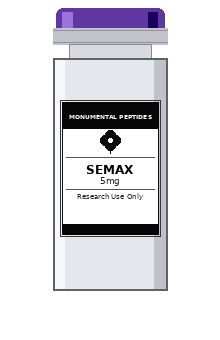
Semax 5mg vial

Semax

ACTH(4-7)-PGP Neuropeptide | 5mg

Cognitive Enhancement BDNF Expression Neuroprotection Focus & Memory Research Stroke Recovery Pathways

Semax is a synthetic heptapeptide derived from the ACTH(4-10) fragment, originally developed by the Institute of Molecular Genetics of the Russian Academy of Sciences. It has accumulated one of the strongest preclinical research profiles of any nootropic peptide β€” particularly for its ability to rapidly upregulate BDNF (Brain-Derived Neurotrophic Factor), the primary growth factor responsible for neuronal survival, plasticity, and the formation of new memory circuits.

Key research areas: Semax research centres on cognitive enhancement, neuroprotection, and neuroregeneration. It has been studied in models of stroke recovery, cognitive decline, attention and focus enhancement, and depression-linked neurodegeneration. Its ability to increase BDNF by up to 80% in certain cell models makes it one of the most potent BDNF-stimulating compounds in the research peptide space.

Unlike many neuropeptides, Semax demonstrates exceptional enzymatic stability in biological media β€” resisting rapid breakdown and maintaining activity over extended periods in cell culture assays. This makes it especially valuable for researchers studying sustained neurotrophic effects, dopaminergic pathway modulation, and serotonergic signalling in the context of cognitive performance and mood regulation.

Sequence: Met-Glu-His-Phe-Pro-Gly-Pro
Molecular Formula: C₃₅H₄₉N₉O₁₀S
Molecular Weight: 779.88 g/mol
Purity: β‰₯98% (HPLC verified)
CAS Number: 80714-61-0
Form: Lyophilised powder
COA on RequestThird-Party TestedIn Stock

⚠️ For in-vitro research and laboratory use only. Not for human or animal use.

Ipamorelin 5mg vial

Ipamorelin

Selective GH Secretagogue Pentapeptide | 5mg

Growth Hormone Release Muscle Growth Pathways Fat Loss Research Sleep & Recovery Anti-Ageing Biology

Ipamorelin is widely regarded as the cleanest and most selective growth hormone secretagogue available for research. Unlike older GH-releasing compounds, Ipamorelin stimulates GH release without meaningfully raising cortisol, prolactin, or ACTH β€” making it the preferred tool compound for research focused on the isolated effects of GH elevation on tissue composition, recovery, and metabolic function.

Key research areas: Ipamorelin is studied for its ability to stimulate strong, natural GH pulses that closely mirror the body's own secretion patterns. Research applications cover lean muscle tissue growth signalling, adipose tissue reduction, cellular repair acceleration, deep sleep quality improvement (GH is secreted primarily during slow-wave sleep), bone density maintenance, and age-related GH axis decline. It is frequently paired with CJC-1295 DAC in research protocols for a synergistic GH-releasing effect.

Its pentapeptide structure and high receptor selectivity mean minimal off-target effects in cell assays β€” a critical advantage for researchers who need to isolate GH pathway responses without confounding cortisol or prolactin variables. Purity of β‰₯99% (HPLC verified) makes this one of the highest-grade Ipamorelin preparations available.

Molecular Formula: Cβ‚ƒβ‚ˆH₄₉N₉Oβ‚…
Molecular Weight: 711.85 g/mol
Purity: β‰₯99% (HPLC verified)
CAS Number: 170851-70-4
Form: Lyophilised powder
Storage: βˆ’20Β°C
COA on RequestThird-Party TestedIn Stock

⚠️ For in-vitro research and laboratory use only. Not for human or animal use.

GHK-Cu 100mg vial

GHK-Cu

Copper(II) Glycyl-L-Histidyl-L-Lysine Complex | 100mg

Skin Regeneration Collagen & Elastin Synthesis Wound Healing Pathways Hair Follicle Research Gene Expression Regulation

GHK-Cu is one of the most remarkable and multi-faceted compounds in the entire peptide research space. This naturally occurring copper-binding tripeptide β€” originally isolated from human plasma β€” has been shown in peer-reviewed research to influence the expression of over 4,000 human genes, with the majority of effects directed towards tissue repair, anti-inflammatory pathways, and cellular regeneration. Its distinctive pale blue colour is a result of the copper(II) chelation.

Key research areas: GHK-Cu research covers a remarkable breadth of applications. In dermatological research, it is studied for stimulating collagen, elastin, and glycosaminoglycan synthesis β€” the structural proteins responsible for skin firmness and elasticity. Hair follicle research explores its role in follicle enlargement and hair growth pathway activation. Wound healing studies consistently show accelerated tissue closure and remodelling. Additionally, GHK-Cu is studied for its anti-cancer gene expression effects, nerve tissue repair, lung tissue regeneration, and systemic anti-inflammatory activity.

At 100mg, this is an unusually generous research quantity β€” ideal for multi-arm studies, long-duration gene expression assays, or repeated-measure designs. GHK-Cu's broad gene-regulatory activity and strong safety profile in in-vitro models have made it one of the most cited peptides in regenerative medicine and cosmetic biology research over the past two decades.

Molecular Formula: C₁₄H₂₃CuN₆Oβ‚„
Molecular Weight: 403.91 g/mol
Purity: β‰₯98% (HPLC verified)
CAS Number: 49557-75-7
Form: Lyophilised powder (pale blue)
Storage: βˆ’20Β°C, protect from light
COA on RequestThird-Party TestedIn Stock
100mgΒ£32.99Order Now Full Details

⚠️ For in-vitro research and laboratory use only. Not for human or animal use.

BPC-157 10mg vial

BPC-157

Body Protection Compound Β· Pentadecapeptide Β· 10mg

Tissue Repair Gastrointestinal Research Angiogenesis Tendon & Ligament Studies

BPC-157 (Body Protection Compound 157) is a synthetic pentadecapeptide consisting of 15 amino acids, derived from a protective protein found in human gastric juice. First characterised at the University of Zagreb, it has been one of the most extensively studied regenerative peptides in biomedical research for three decades. Its exceptional stability and multi-system activity make it a cornerstone compound for researchers studying tissue repair, gastrointestinal function, and angiogenesis pathways.

Key research areas: BPC-157 is widely used in tendon, ligament, and muscle repair studies. Researchers explore its influence on growth hormone receptor expression, nitric oxide production, and angiogenic pathways. GI mucosal protection assays and intestinal anastomosis models are common applications in UK biomedical research.
Molecular Formula: C₆₂Hβ‚‰β‚ˆN₁₆Oβ‚‚β‚‚
Molecular Weight: 1419.55 g/mol
Purity: β‰₯98% (HPLC verified)
CAS Number: 137525-51-0
Form: Lyophilised powder
Storage: βˆ’20Β°C, protect from light
COA on RequestThird-Party TestedIn Stock
10mgΒ£24.99Order Now Full Details

⚠️ For in-vitro research and laboratory use only. Not for human or animal use.

Tirzepatide 10mg vial

Tirzepatide

GLP-1 / GIP Dual Receptor Agonist Β· 10mg

Dual Incretin Signalling Glucose Homeostasis Metabolic Research Appetite Regulation

Tirzepatide is the cutting-edge dual incretin receptor agonist (GLP-1R + GIPR) originally developed by Eli Lilly under the brand name Mounjaro. Its synergistic dual-action mechanism activates both receptors simultaneously, producing more pronounced effects on insulin secretion, glucagon suppression, and appetite regulation than single-receptor agonists. It represents one of the most significant advances in metabolic research in recent years.

Key research areas: Tirzepatide is used in dual-receptor binding assays, insulin secretion studies, glucagon suppression models, and adipogenesis research. Its superior potency relative to single GLP-1 agonists makes it a leading reference compound for metabolic syndrome and obesity pathway investigation in UK labs.
Molecular Formula: Cβ‚‚β‚‚β‚…Hβ‚ƒβ‚„β‚ˆNβ‚„β‚ˆOβ‚†β‚ˆ
Molecular Weight: 4813.5 g/mol
Purity: β‰₯98% (HPLC verified)
CAS Number: 2023788-19-2
Form: Lyophilised powder
Storage: βˆ’20Β°C, protect from light
COA on RequestThird-Party TestedIn Stock
10mgΒ£54.99Order Now Full Details

⚠️ For in-vitro research and laboratory use only. Not for human or animal use.

Semaglutide 10mg vial

Semaglutide

Long-Acting GLP-1 Receptor Agonist Β· 10mg

GLP-1 Receptor Binding Obesity Mechanisms Cardiovascular Protection Neurological Reward Pathways

Semaglutide is a long-acting GLP-1 receptor agonist with a ~7 day half-life, commercially known as Ozempic and Wegovy. Its C-18 fatty acid chain modification enables reversible albumin binding, dramatically extending its duration of action compared to native GLP-1. One of the most studied metabolic research compounds in the world, ideal for UK researchers studying obesity mechanisms, glucose homeostasis, cardiovascular protection, and neurological reward pathways.

Key research areas: Semaglutide is used in GLP-1R binding assays, pancreatic beta-cell studies, cardiovascular outcome models, and neurological reward pathway research. Its long half-life makes it a preferred reference peptide for sustained receptor activation experiments in UK biomedical labs.
Molecular Formula: Cβ‚β‚ˆβ‚‡H₂₉₁Nβ‚„β‚…O₅₉
Molecular Weight: 4113.58 g/mol
Purity: β‰₯98% (HPLC verified)
CAS Number: 910463-68-2
Form: Lyophilised powder
Storage: βˆ’20Β°C, protect from light
COA on RequestThird-Party TestedIn Stock
10mgΒ£39.99Order Now Full Details

⚠️ For in-vitro research and laboratory use only. Not for human or animal use.

πŸ“¬

Join Our Telegram Channel

Get exclusive deals, new product alerts, research updates, and flash sales β€” direct to your phone.

Join @MonumentalPeptides on Telegram